Core Concepts & Meaning
- Gathering: Reuniting with family and loved ones under the full moon, which symbolizes completeness and unity.
- Giving Thanks: Expressing gratitude for the autumn harvest and harmonious relationships.
- Praying: Asking for future blessings, including longevity, family growth, and prosperity.
Key Cultural Traditions
- Mooncakes: Sharing round mooncakes filled with lotus-seed or sweet-bean paste is the defining culinary tradition. The circular shape represents family completeness.
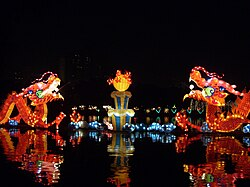
- Lanterns: Lighting and displaying colorful lanterns symbolizes guidance toward prosperity. Common activities include solving lantern riddles (dēng mí) and floating sky lanterns.
- Moon Worship: Based on ancient folklore, offerings are made to Chang’e, the Moon Goddess of Immortality, who according to legend drank an elixir of immortality and flew to the moon to safeguard it.
- Festivities: Celebrations feature family feasts, dragon and lion dances, drinking cassia wine, and visiting relatives.
Regional Observances