Every year on November 22, Lebanese communities around the globe come together to honor Lebanon Independence Day. Beyond marking a pivotal historic achievement, this day serves as a powerful reminder of national unity, cultural resilience, and the enduring strength of the Lebanese people.
The Historical Path to Freedom
Lebanon officially proclaimed its independence on November 22, 1943, bringing an end to the French Mandate that had been established following World War I.
- The turning point: In November 1943, Lebanese leaders unilaterally abolished constitutional articles that granted power to the Mandate authorities.
- National solidarity: Following the arrest of key national figures—including President Bechara El Khoury and Prime Minister Riad El Solh—citizens across all communities united in nationwide protests, demanding immediate release and complete sovereignty.
- Victory for sovereignty: Yielding to overwhelming public and international pressure, the authorities released the leaders on November 22, cementing the date as Lebanon’s official Independence Day.
Symbols of National Identity
Lebanese Independence Day is rooted in symbols that reflect the nation’s rich legacy and collective spirit:
- The Cedar Tree (Cedrus libani): Prominently featured on the national flag, the majestic cedar symbolizes strength, eternity, and peace.
- The National Anthem (Kulluna Lil Watan): “All of us, for our Country!” echoes throughout celebrations, serving as an anthem of togetherness across all generations.
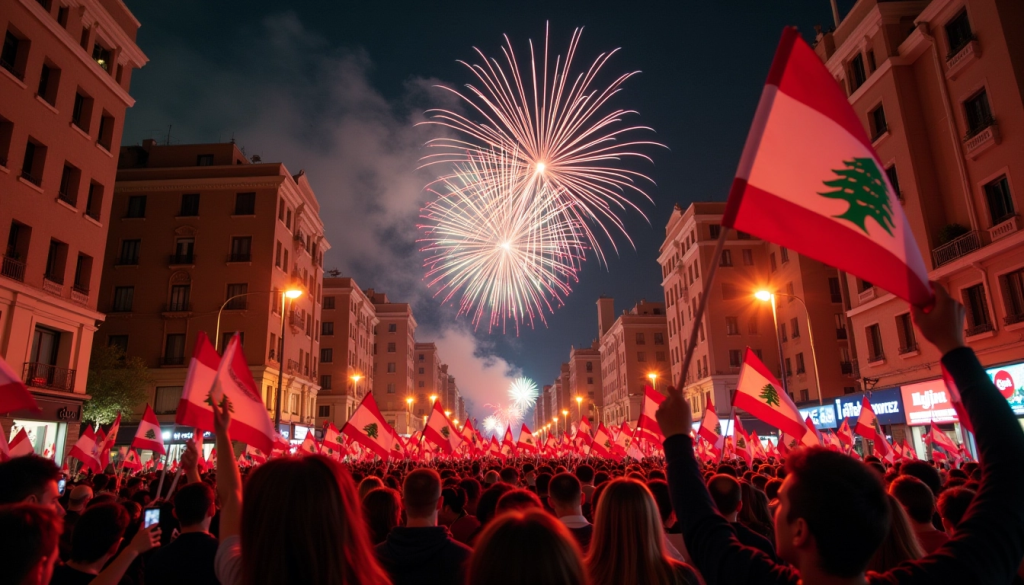
- The Flag’s Colors: The two red stripes represent the courage and sacrifices made for freedom, while the central white stripe signifies peace and the purity of snow atop Mount Lebanon.
How Lebanon Celebrates
From traditional gatherings to official ceremonies, the day is marked with vibrancy both locally and across the global diaspora:
- Official Ceremonies: Military parades, wreath-laying ceremonies at monuments dedicated to national martyrs, and addresses by national figures.
- Community & Cultural Gatherings: Local events featuring traditional music, dabke dancing, and shared culinary feasts highlighting iconic Lebanese dishes.
- Diaspora Engagement: Around the world, Lebanese diaspora organizations host cultural festivals, flag-raising ceremonies, and community initiatives to keep connection to the homeland vibrant and strong.
Looking Forward: A Legacy of Unity and Resilience
Lebanon’s story is one of unwavering hope. Independence Day is more than a reflection on history—it is a continuous call for unity, solidarity, and mutual support across all communities, reaffirming a shared commitment to a prosperous and peaceful future.