Rooted in Heritage, Embracing All: Inside Tamil Festival Australia
Every January, thousands of people gather in Melbourne’s south-eastern suburbs for Tamil Festival Australia, one of the nation’s largest public celebrations of Thai Pongal and Tamil heritage. Guided by the motto “One Festival. One Community. Everyone’s Celebration,” the free, family-friendly event transforms Event Central at Caribbean Park in Scoresby, Victoria, into a vibrant showcase of music, dance, culinary traditions, and communal thanksgiving.
Following a 2026 edition that drew more than 8,000 attendees, the festival is scheduled to return on Saturday, 16 January 2027, with organizers expecting over 10,000 visitors to join the festivities.
What Happens at Tamil Festival Australia?
Organized as a collaborative, community-led initiative alongside local groups such as Casey Tamil Manram, the day-long festival blends traditional customs with accessible entertainment for attendees of all backgrounds:
- Community Pongal: Families bring their own clay pots to cook sweet Pongal rice together in the open air—the ceremonial heart of the festival.
- Cultural Performances & Live Entertainment: Stage programs feature classical and folk dance, traditional Carnatic and contemporary Tamil music, and evening concerts.
- Traditional Sports: Visitors can watch or participate in heritage village games that foster friendly competition and teamwork.
- Exhibitions & Marketplace: Indoor cultural exhibitions explore Tamil history and art forms, while outdoor stalls offer authentic South Asian street food, festive sweets, and artisan goods.
The Cultural Significance of Thai Pongal
To understand why Tamil Festival Australia resonates so deeply, one has to look at Thai Pongal—the ancient harvest festival that inspires it. Celebrated in mid-January at the start of the auspicious Tamil month of Thai, Pongal is a four-day festival of gratitude to nature, the sun (Surya), the land, and farm animals for a bountiful harvest.
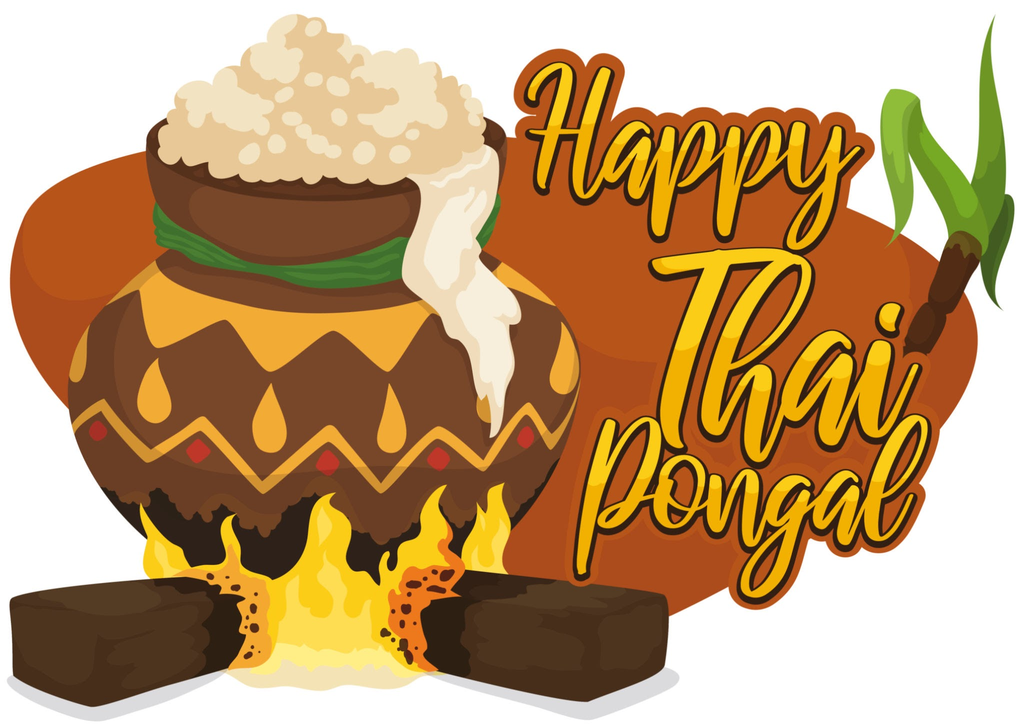
In the Tamil language, the word Pongal translates to “to boil over” or “overflow”. During the central ritual, freshly harvested rice is boiled in a clay pot with milk and jaggery (unrefined cane sugar). As the mixture froths and spills over the brim of the pot, onlookers joyfully shout “Pongalo Pongal!”—a symbolic wish that prosperity, peace, and happiness will similarly overflow in the household throughout the coming year.
Across the traditional four-day observance, distinct aspects of life and gratitude are honored:
- Bhogi: Marking the final day of the previous month (Margazhi), dedicated to clearing out the old and welcoming renewal.
- Thai Pongal: The main harvest thanksgiving day centered on offering sweet Pongal to the sun.
- Mattu Pongal: A day honoring cattle and livestock for their indispensable role in agriculture.
- Kaanum Pongal: A day focused on family reunions, visiting elders for blessings, and strengthening community bonds.
Homes and festival grounds are also adorned with kolam—intricate geometric patterns drawn on the ground with rice flour to welcome positive energy and share nourishment with small creatures like birds and ants.
Preserving Identity in the Australian Diaspora
For Tamil Australians—whose roots span Tamil Nadu in India, Sri Lanka, Malaysia, Singapore, and beyond—Tamil Festival Australia serves a vital role far beyond a single day of entertainment.
First, it acts as a bridge across generations. For children growing up in Australia, participating in a communal Pongal cookout, watching traditional sports, or walking through heritage exhibitions turns abstract family stories into lived, tactile memories.
Second, the festival anchors broader civic recognition. The Tamil Festival movement actively promotes Tamil Heritage Month activities and civic Pongal receptions across Australian states, elevating the visibility of Tamil language, history, and contributions within multicultural Australia. By keeping entry free and inviting neighbors from every cultural background to share in the food and festivities, the event embodies the core Tamil proverb “Yaadhum Oore Yaavarum Kelir”—every town is our hometown, and all people are our kin.